
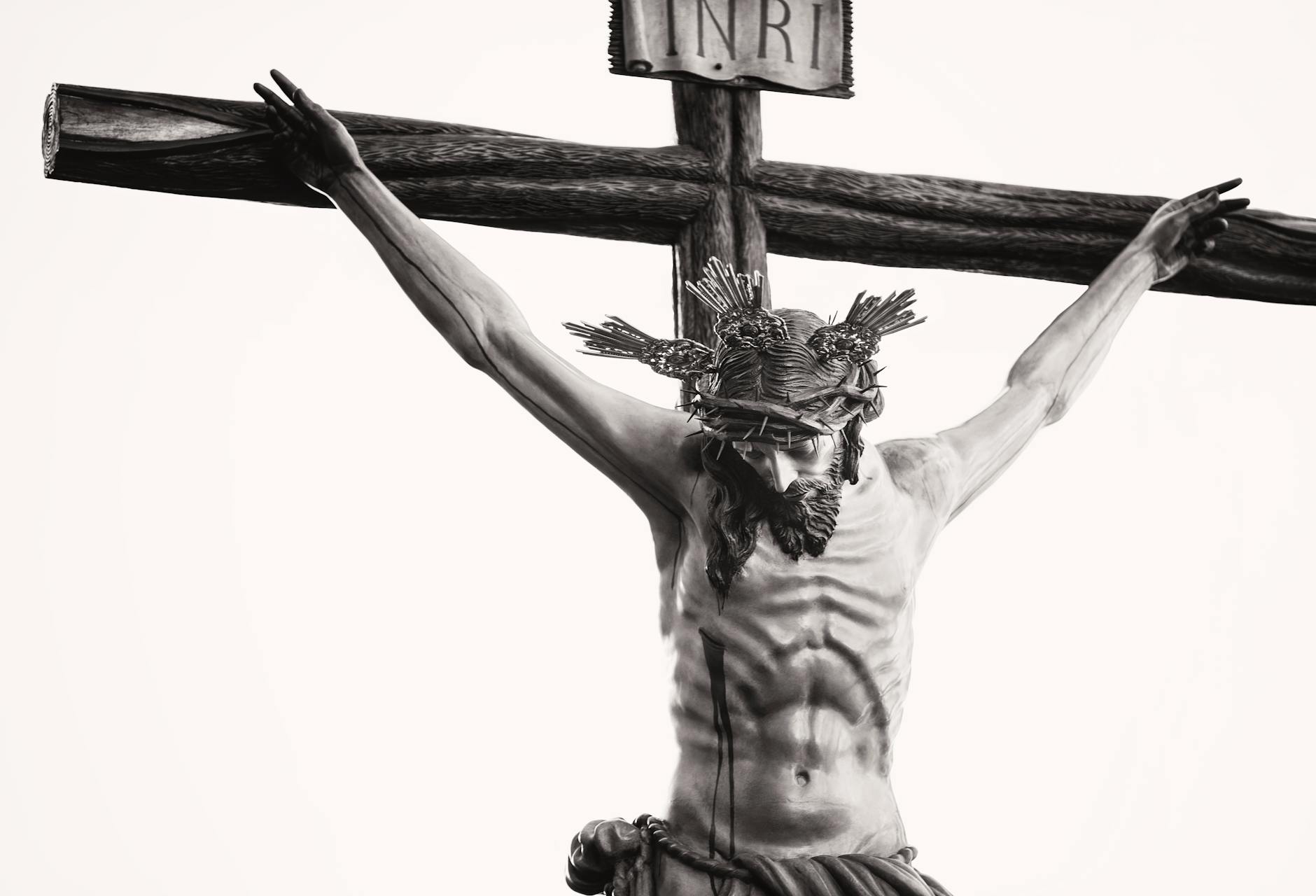
✝️ Important Christian Fasts
Christian fasting is often observed for repentance, preparation, and deepening one’s relationship with God. The most significant fasting periods are Lent and Advent, but there are also personal and communal fasts.
1. Lent – 40 Days of Fasting Before Easter
📅 Date: February or March (Starts on Ash Wednesday, lasts until Easter)
📖 Matthew 4:2
🔹 Type: Partial fast (varies by denomination)
🔹 Significance: Commemorates Jesus’ 40-day fast in the wilderness before His ministry.
💡 Special Observances:
- Catholics: Abstain from meat on Fridays, may fast on Ash Wednesday and Good Friday.
- Orthodox Christians: The Great Lent is stricter, involving fasting from meat, dairy, and sometimes oil and fish.
- Protestants: Some fast from sweets, social media, or other indulgences.
2. Advent – 4 Weeks of Preparation Before Christmas
📅 Date: November-December
📖 Luke 1:15
🔹 Type: Partial fast (Orthodox tradition)
🔹 Significance: A season of prayer and fasting in preparation for the birth of Christ.
💡 Special Observances:
- Catholics: More focused on prayer and almsgiving.
- Orthodox Christians: Advent Fast is stricter, resembling Lent (no meat, dairy, oil).
3. Daniel Fast – 21-Day Partial Fast
📅 Date: Any time of the year
📖 Daniel 10:2-3
🔹 Type: Partial fast (only vegetables, fruits, and water)
🔹 Significance: Based on Daniel’s diet, this fast is observed for spiritual discipline.
💡 Common among Evangelicals today.
4. Day of Atonement Fasting (Orthodox Christian) – Holy Cross Fast
📅 Date: September 14
📖 Luke 9:23
🔹 Type: Strict fast (no meat, dairy, oil, or fish)
🔹 Significance: Honors Christ’s sacrifice on the Holy Cross.
5. Fasting Before Eucharist (Catholic and Orthodox)
📅 Date: Weekly practice
📖 1 Corinthians 11:28
🔹 Type: Abstain from food and drink before Holy Communion
🔹 Significance: To prepare spiritually for receiving the Body and Blood of Christ.
📖 Important Jewish Fasts
Jewish fasting is mainly observed for atonement, mourning, and spiritual reflection. There are two major fasts (Yom Kippur and Tisha B’Av) and four minor fasts in Judaism.
1. Yom Kippur – The Day of Atonement (25-Hour Absolute Fast)
📅 Date: 10th of Tishrei (September or October)
📖 Leviticus 16:29
🔹 Type: Absolute fast – No food or water for 25 hours
🔹 Significance: The holiest day in Judaism, dedicated to repentance and atonement for sins. Jews pray for forgiveness and are judged by God.
💡 Special Observances:
- Begins at sunset and lasts until the next sunset.
- No work, food, drink, or physical pleasures allowed.
- Ends with the blowing of the shofar (ram’s horn).
2. Tisha B’Av – Mourning the Destruction of the Temple (25-Hour Absolute Fast)
📅 Date: 9th of Av (July or August)
📖 Lamentations 1:3
🔹 Type: Absolute fast – No food or water for 25 hours
🔹 Significance: A day of mourning for the destruction of the First and Second Temples in Jerusalem.
💡 Special Observances:
- Jews read the Book of Lamentations.
- Sitting on low stools and avoiding celebrations.
3. Fast of Esther (Ta’anit Esther) – Before Purim
📅 Date: 13th of Adar (February or March)
📖 Esther 4:16
🔹 Type: Sunrise-to-sunset fast
🔹 Significance: Commemorates Queen Esther’s fast before approaching King Ahasuerus to save the Jewish people.
💡 Special Observances:
- Jews fast to remember divine protection.
- Leads into the joyful festival of Purim.
4. Fast of Gedaliah – Mourning the Death of a Jewish Governor
📅 Date: 3rd of Tishrei (September)
📖 Jeremiah 41:1-10
🔹 Type: Sunrise-to-sunset fast
🔹 Significance: Marks the assassination of Gedaliah, the governor of Judea, after the destruction of the First Temple.
5. Tenth of Tevet – Mourning the Siege of Jerusalem
📅 Date: 10th of Tevet (December or January)
📖 2 Kings 25:1
🔹 Type: Sunrise-to-sunset fast
🔹 Significance: Marks the Babylonian siege of Jerusalem, leading to the destruction of the First Temple.
6. Seventeenth of Tammuz – Beginning of the Three Weeks of Mourning
📅 Date: 17th of Tammuz (June or July)
📖 Zechariah 8:19
🔹 Type: Sunrise-to-sunset fast
🔹 Significance: Marks the breach of Jerusalem’s walls before the destruction of the Second Temple.
7. Fast of the Firstborn – Before Passover
📅 Date: 14th of Nisan (March or April)
📖 Exodus 13:1-2
🔹 Type: Sunrise-to-midday fast
🔹 Significance: Firstborn Jewish males fast in gratitude for being spared during the Plague of the Firstborn in Egypt.
🌙 Important Muslim Fasts
Fasting (ṣawm, صَوْم) is one of the Five Pillars of Islam, symbolizing self-discipline, purification, and devotion to Allah. The most significant fasting period is Ramadan, but Muslims also observe several voluntary and obligatory fasts throughout the year.
1. Ramadan – The Holiest Month (29–30 Days of Fasting)
📅 Date: 9th month of the Islamic calendar (March–April in 2024)
📖 Qur’an 2:183
“O you who have believed, decreed upon you is fasting as it was decreed upon those before you that you may become righteous.”
🔹 Type: Dawn-to-sunset fast – No food, drink, smoking, or marital relations from Fajr (dawn) to Maghrib (sunset).
🔹 Significance:
✅ Commemorates the revelation of the Qur’an to Prophet Muhammad.
✅ Strengthens spiritual discipline, self-control, and empathy for the poor.
✅ Ends with Eid al-Fitr, a joyous celebration after 30 days of fasting.
💡 Exceptions:
- Children, pregnant/breastfeeding women, travelers, the sick, and the elderly are exempt but can make up the fast later or offer charity (fidya/kafarah).
2. The Six Days of Shawwal – Post-Ramadan Sunnah Fast
📅 Date: First six days of Shawwal (after Eid al-Fitr)
📖 Hadith (Sahih Muslim 1164)
🔹 Type: Voluntary fast after Ramadan
🔹 Significance:
✅ Spiritual continuation of Ramadan
✅ Prophet Muhammad said, “Whoever fasts Ramadan and follows it with six days of Shawwal, it is as if he has fasted the entire year.”
💡 Flexibility: The six days do not have to be consecutive.
3. Arafah Fast – The Best Voluntary Fast
📅 Date: 9th of Dhul-Hijjah (day before Eid al-Adha)
📖 Hadith (Sahih Muslim 1162)
🔹 Type: Dawn-to-sunset fast (voluntary)
🔹 Significance:
✅ Expiates sins for two years (one past, one future).
✅ Observed by those not performing Hajj.
💡 Hajj pilgrims do not fast on this day to maintain strength.
4. Ashura Fast – Day of Moses’ Deliverance
📅 Date: 10th of Muharram (with optional 9th or 11th)
📖 Hadith (Sahih Muslim 1132)
🔹 Type: Dawn-to-sunset fast (voluntary)
🔹 Significance:
✅ Commemorates Prophet Musa (Moses) and the Israelites’ rescue from Pharaoh.
✅ Prophet Muhammad recommended fasting the 9th and 10th (or 10th and 11th) to distinguish from Jewish tradition.
✅ Expiates sins for the past year.
💡 Shi’a Muslims observe Ashura with mourning rituals for Imam Husayn’s martyrdom at Karbala.
5. Mondays and Thursdays – Prophet Muhammad’s Sunnah Fasts
📅 Date: Every Monday & Thursday
📖 Hadith (Tirmidhi 745)
🔹 Type: Voluntary dawn-to-sunset fast
🔹 Significance:
✅ Prophet Muhammad said, “Deeds are presented to Allah on Mondays and Thursdays, and I like my deeds to be presented while I am fasting.”
💡 Many Muslims adopt this regular fasting routine for spiritual and health benefits.
6. White Days (Ayyam al-Bid) – 13th, 14th, and 15th of Every Islamic Month
📅 Date: Middle of every Islamic lunar month
📖 Hadith (Abu Dawood 2449)
🔹 Type: Voluntary fast
🔹 Significance:
✅ Prophet Muhammad fasted on these days and encouraged others to do so.
✅ Considered a Sunnah (highly recommended) practice.
7. Sha’ban Fast – Preparing for Ramadan
📅 Date: During the month of Sha’ban (before Ramadan)
📖 Hadith (Bukhari 1969)
🔹 Type: Voluntary fast
🔹 Significance:
✅ Prophet Muhammad fasted frequently in Sha’ban to prepare for Ramadan.
✅ Strengthens spiritual focus before the holy month.
💡 Fasting on the 15th of Sha’ban (Laylat al-Bara’ah) is debated among scholars.
8. Fast of Dawood (David) – The Best Voluntary Fast
📅 Date: Every other day
📖 Hadith (Bukhari 1131)
🔹 Type: Voluntary fast
🔹 Significance:
✅ Prophet Muhammad said, “The most beloved fasting to Allah is the fasting of Prophet Dawood: he used to fast one day and break it the next.”
💡 A challenging but rewarding Sunnah fast.
9. Fasting on the Day of Jumu’ah (Friday) – Only with Additional Days
📅 Date: Fridays (if paired with Thursday or Saturday)
📖 Hadith (Sahih Muslim 1144)
🔹 Type: Permissible but not alone
🔹 Significance:
✅ Jumu’ah (Friday) is a special day, but Prophet Muhammad discouraged fasting on Friday alone unless paired with another day.
10. Fasting on Eid Days – Forbidden in Islam
📅 Date: Eid al-Fitr (after Ramadan) and Eid al-Adha
📖 Hadith (Bukhari 1990)
❌ Type: Fasting is prohibited
🔹 Significance:
✅ Celebration, not fasting – Muslims are commanded to eat and rejoice.
 For God, Truth and Meaning
Leave a comment